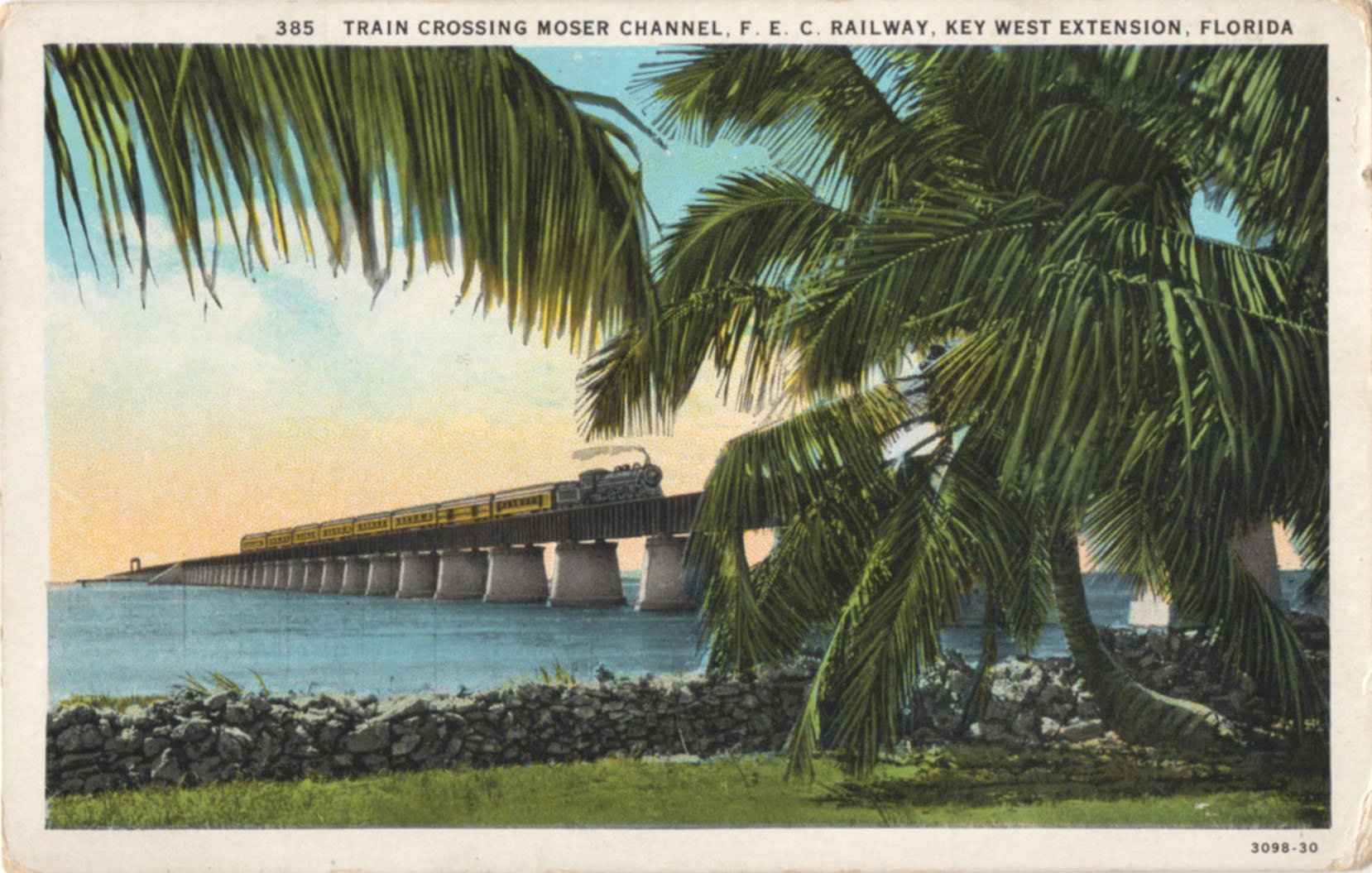
It took 4,000 labourers 7 years to build a 120 mile railroad connecting mainland Florida with the city of Key West. The project was financed by Henry Flagler, fabulously wealthy founder of Standard Oil and cost more than $50 million. Flagler was a master of manipulating markets and freezing out competitors and until the advent of Anti-Trust legislation, he and Rockefeller were well on the way to establishing undisputed control of the entire American market for oil and gas. On the plus side he was an attentive husband and in middle age accompanied his ailing spouse to Florida in search of a cure in warmer climes. At which point his interest in fossil fuels declined in favour of a new passion for developing resort hotels and transport infrastructure to expand the market for Florida tourism. The system of “convict leasing” enabled local prisons to supply him with a regular source of (literally) captive labour for his projects. In a weird parody of the Manifest Destiny, Flagler’s army of contractors relentlessly drove south, clearing wilderness, draining swamps, dredging channels, building roads and luxury hotels on a steady advance via St. Augustine and Palm Beach that ended in Miami.

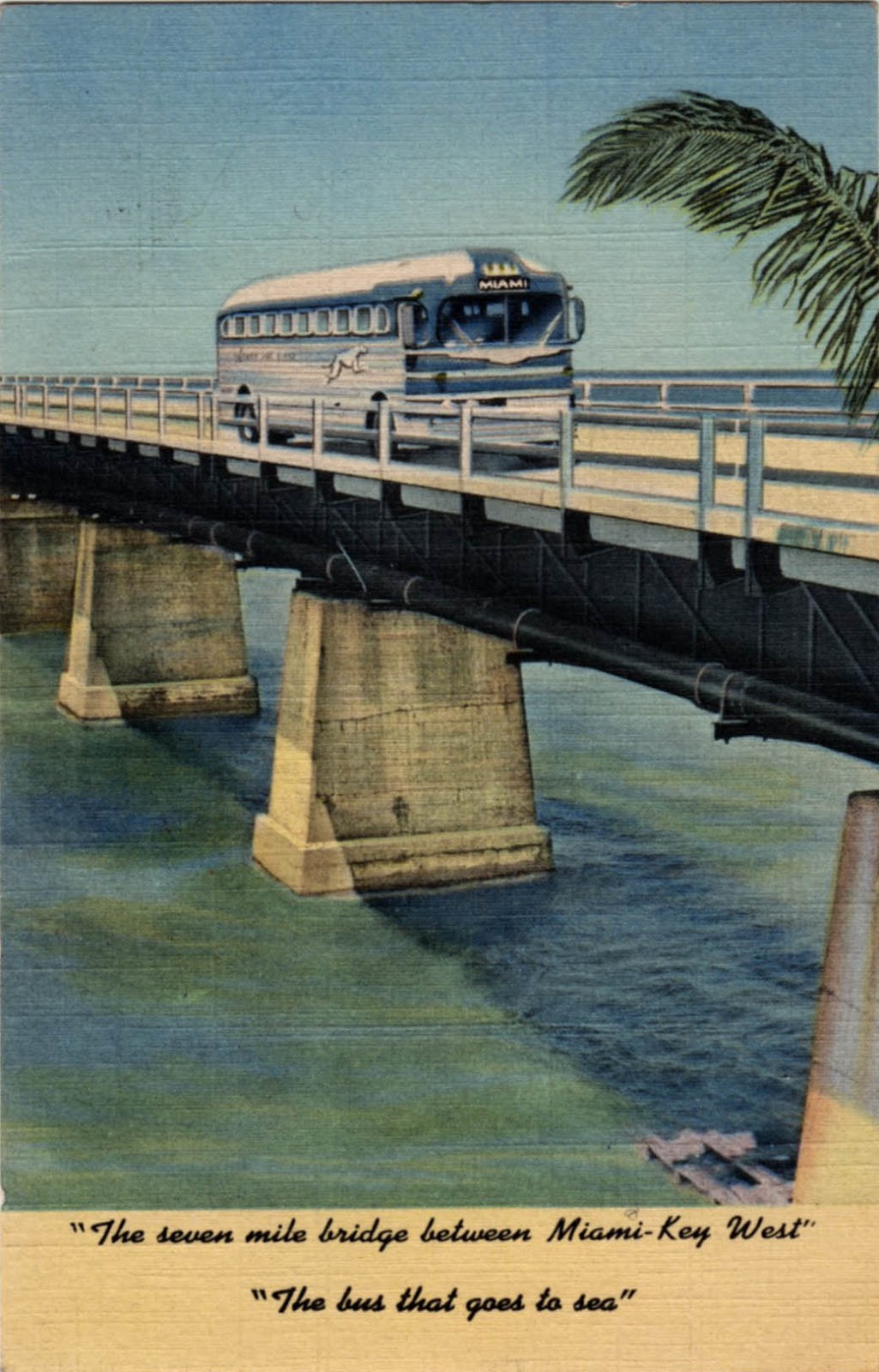
The connection to Key West was planned to move freight that had travelled via the new Panama Canal northwards to customers across America but the anticipated traffic never materialised. The postcard view above shows a vast but relatively passive crowd gathered at Key West in January 1912 to greet the arrival of the first regular service on the new extension to the Florida East Coast Railway. In the 1920s there was a daily train from New York to Key West timed to connect with a ferry to Havana. Key West to Miami was a 4½ hour trip thanks to a 15 mph limit on all the oversea sections. Maintenance was a constant drain on resources and the railroad was on the verge of insolvency when fate intervened in the form of the Labor Day Hurricane of 1935 that overwhelmed the railroad beyond repair. In a final indignity, surviving sections of the infrastructure were commandeered to support a new Overseas Highway that survives to the present day. It had lasted for 23 years. Flagler died in 1913, just over a year after the railroad was inaugurated. If Flagler had not declined the honour of renaming Key Biscayne, there would be no city of Miami today - only Flagler and Flagler Beach, Flagler Dolphins, Flagler Vice, Flagler Art Deco …