This post is number 111 in this series. The same number of steps can be found on Falmouth’s Jacob’s Ladder staircase, the work of a local builder named Jacob Hamblen who had them constructed to connect two of his properties at different altitudes. Flights of steps confined between two buildings are a common feature in communities built on hills and there are other examples where locals have turned to the Scriptures and bestowed the name of Jacob’s Ladder. At least in this instance there was an additional justification for the choice of name. Local photographers were quick to spot the postcard potential hastening to Killigrew Street and point their cameras in its direction, making it one of the most common subjects in this Cornish town. The steps date from the 1840s and have the distinction of being listed at Grade II by Historic England. The building on the right has since been demolished to be replaced by a branch of Lloyd’s Bank. On the left, Falmouth Methodist Church has survived to the present. Despite multiple passes, the StreetView camera has never captured the steps. These two examples are the closest it has come to doing so.
Tuesday, 14 March 2023
Thursday, 9 February 2023
A Passing Train
There was a time in the mid-20th. century when all British trains (with a few exceptions) were painted either green or black according to status. A shortage of labour to work as cleaners invariably led to them all looking alike as the layers of untouched grime accumulated. In the 1970s the favoured colour was British Rail blue. This was an early example of a corporate branding decision and as such was rigidly imposed. But those days have long passed. Rail franchising encouraged every operator to brand their trains with distinctive colour schemes. Some chose relatively sober colour combinations to project a reputation for safety and reliability, while others went for high intensity palettes as if to suggest the excitement of travel would be equal to the visual drama on the exterior of the train. The latter strategy rapidly predominated and increasingly bizarre colour choices were to be seen across the network. In recent times a proliferation of graphic devices and computer processed photographic imagery, applied in the form of vinyl wraps, have led to an explosion of discordant visual confusion on the side panels of the nation’s passenger trains. Britain’s privatised rail operators (there are some exceptions) have led the way in this trend even though the extent to which they compete for patronage is more notional than real.
European railways have retained their state owned national networks, each with their individual identity and colour. Netherland’s yellow, Germany’s red and France’s blue were once ubiquitous but now are in retreat as privately owned operators take advantage of the EU’s insistence that state owned monopolies are opened up to the private sector. The images below have been extracted from just 8 seconds of video of a passing train in Lichtenberg, Berlin and by chance they form a series of mostly abstract compositions in which is embedded a dark vision of a mobile phone call. And it’s the mobile phone that enables these visual experiments at the same time as it removes the possibility of direct perception of the visible world - a concern that much exercises the minds of those who believe that technology is undermining active participation in our own existence in favour of a lifetime of curating.
Tuesday, 24 January 2023
More London Life
Thanks to German printing technology, this is an unusually well produced postcard with a detailed image of London buses posed outside the Bank of England. A somewhat diffident constable holds up the traffic alongside a young messenger boy who succeeds in occupying the centre of the picture. A handful of pedestrians stare in a desultory fashion as the camera operator prepares for the shot. History records that the advertised play, The Ogre by Henry Arthur Jones, opened to lukewarm reviews on September 11th. 1911 at St. James’s Theatre which dates the postcard to the late summer of 1911.
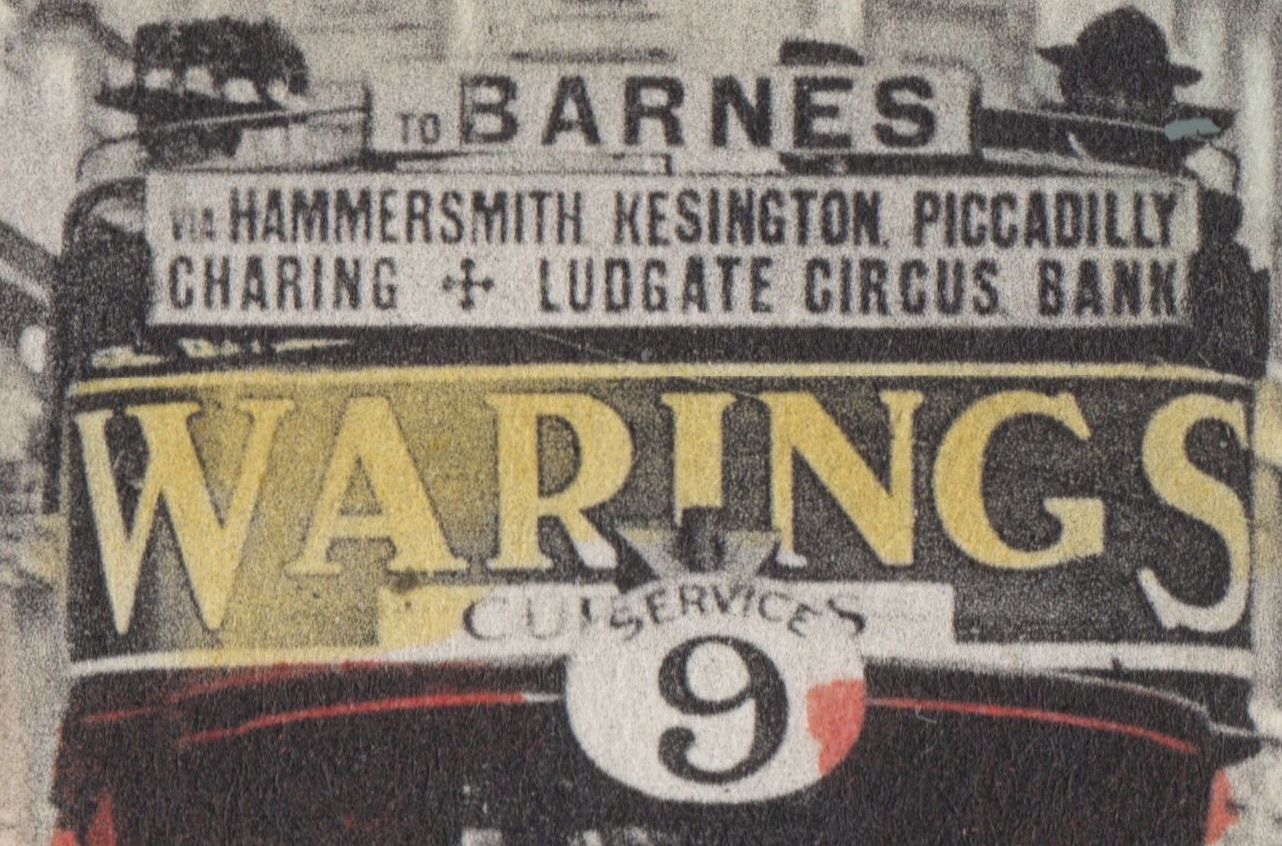
Route 7's history can be traced back to 1 November 1908, when an un-numbered daily route operating between Wormwood Scrubs and Liverpool Street station, was allocated route number 7. Today’s route 7 connects East Acton with Oxford Circus. Route 9 is one of several claimants to the title of London’s oldest bus route, dating back to 1851. In its present form it runs between Hammersmith and Aldwych. Both routes are a lot shorter than in their heyday and neither penetrate as far east as Bank, making this an unrepeatable encounter. Pedantic note - both buses display spelling mistakes. An extra letter B has been added to Wormwood Scrubs on the 7, while the first letter N has been omitted from the word Kensington on the 9.
Sunday, 15 January 2023
Bridge Postcards of 2022
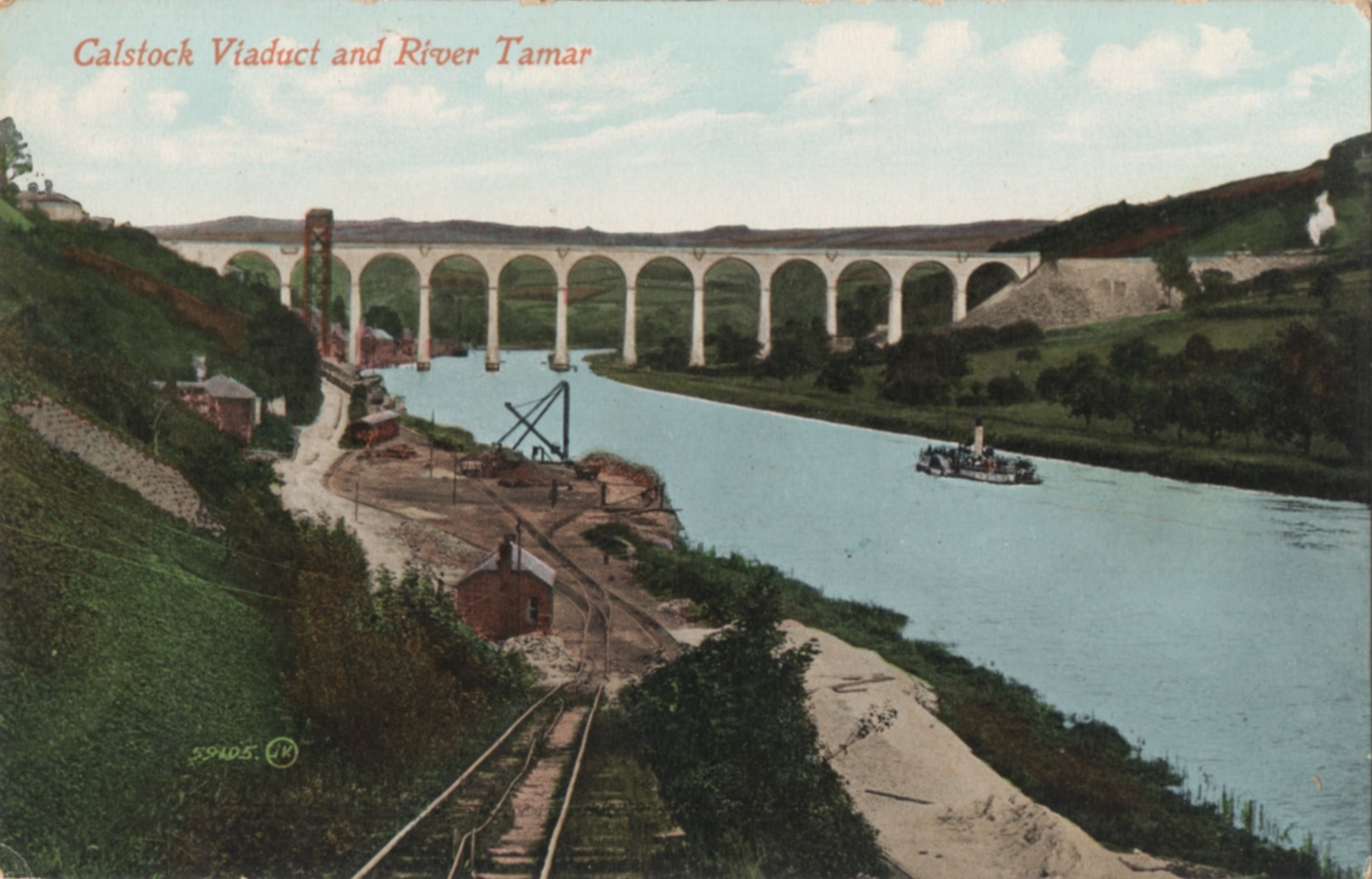
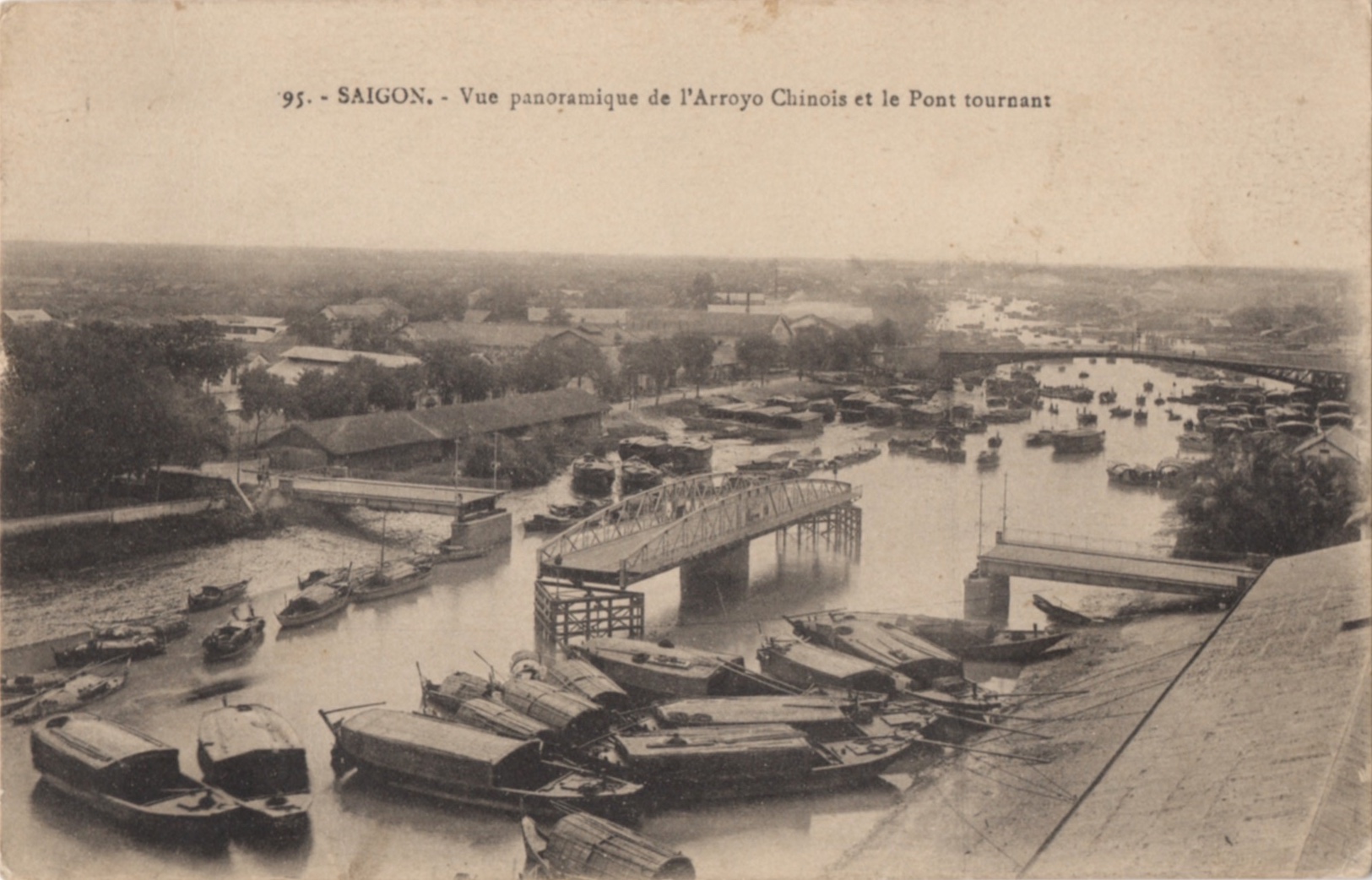
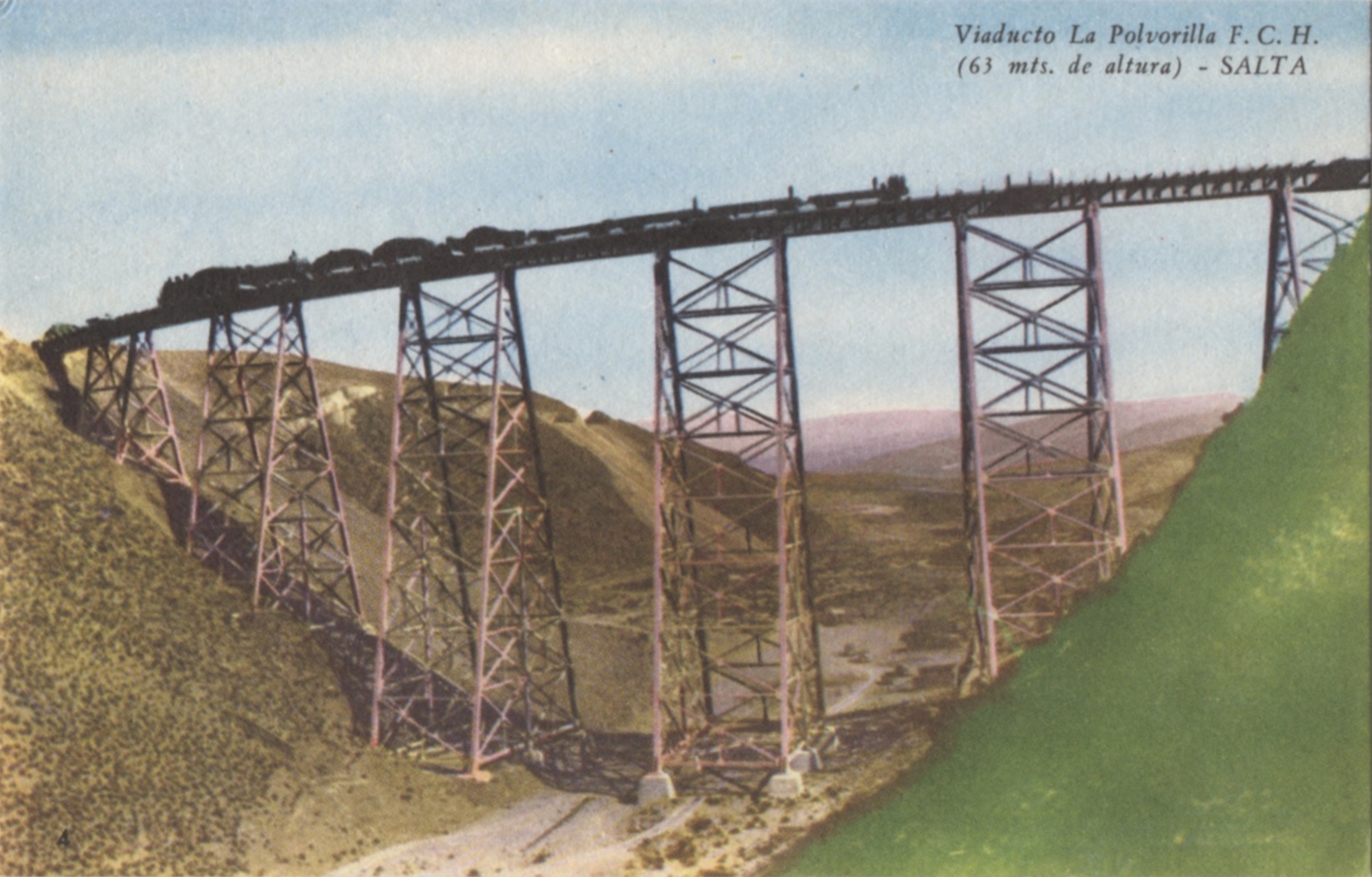
There’s an incalculable number of postcards featuring London’s Tower Bridge - it may well be the capital’s most popular subject. But there are very few examples of this view of the bridge, looking at the roadway. It’s always a joy when a publisher of cards takes the risk of printing views that defy the prevailing visual cliché. Two more examples of alternate views of over-familiar subjects come from Bristol (Clifton Bridge) and Saltash, on the Cornish bank of the Tamar, where Brunel’s famous bridge has been relegated to the background in the same way that Hokusai treated Mount Fuji. The next group of cards are of footbridges in Yorkshire, Roubaix and the coast of the north of Ireland. Following them is a quartet of North American bridges that typically reflect the American preference for hammering together crudely formed rebarbative metal sections in the hope they may stand for thousands of years. Four images of swing-bridges follow - two from East Anglia and one each from Saigon and the Manchester Ship Canal. Then two curiosities from Lincoln and Linlithgow of bridges that reflectively resolve themselves into perfect circles. Our annual survey concludes with a trio of trestle type constructions - always easy on the eye but not always the most reliable formula. These examples are from Yorkshire (Hardcastle Crags - a bridge designed to be temporary and since dismantled), Crumlin in Wales (also dismantled) and Salta in Argentina.
Friday, 23 December 2022
Bridges of 2022
Another modest year for recording bridges. Two railway bridges to begin with, the first is on London Overground where it crosses Leytonstone High Road. Next is a Great Western Railway bridge in the Wiltshire town of Chippenham, part of a nine arch viaduct designed by Brunel, completed in 1841 and Grade II* listed. Below is the nine arch Town Bridge that spans the River Avon at Bedford on Avon. It’s a 13th. century former packhorse bridge with the addition of a lock-up in the 17th. century and listed at Grade I. It still carries a heavy flow of traffic. Another bridge of similar vintage is the Monnow Bridge in Monmouth, the last surviving combined bridge and fortified gatehouse. Listed at Grade 1, it dates from the 1270s and remained in use as a road bridge until 2004 after decades of damage inflicted by careless drivers, when a replacement was built downstream enabling it to be pedestrianised. Finally we have Keadby Bridge over the River Trent in the Lincolnshire village of Althorpe- a road and rail combined Scherzer rolling lift bridge constructed in 1916. The bridge is Grade II listed and has been fixed in place since it was last lifted in 1956.